

Meaning
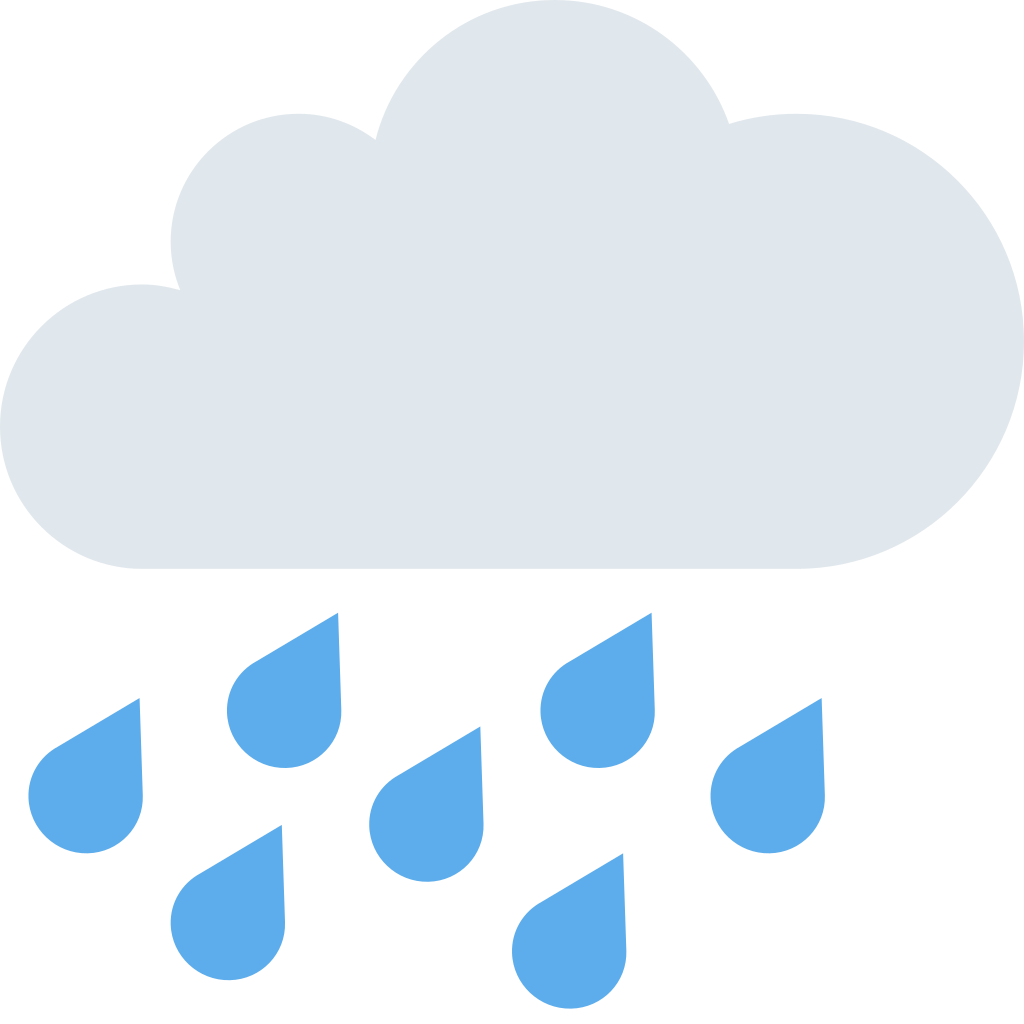
The 🌧 emoji depicts a cloud with raindrops falling below. It symbolizes rainy weather and can also express feelings of sadness or melancholy.
Common Uses
- Reporting or discussing rain and weather conditions.
- Conveying a gloomy or downhearted mood.
- Representing indoor activities during rain.
- Indicating a gloomy atmosphere in conversations.
Examples
It's going to rain today 🌧Feeling a bit down 🌧Perfect weather to stay in and read 🌧
🛒Beyond the screen: Plan your next trip with
Technical Notes
Unicode codepoint: U+1F327. Added around Unicode version 6.0. Appearance may vary slightly across platforms but maintains the core theme of a cloud with rain drops.
FAQ
What does the 🌧 emoji mean?
A cloud symbol with raindrops, representing rain or sadness.
How is the 🌧 emoji used?
To describe rainy weather, gloomy moods, or indoor plans.
Does the meaning of the 🌧 emoji change by context?
Its primary meaning is rain, but context can shift it to express emotional states like sadness.
Internal Links
- Previous emoji
- Next emoji
Frequently Asked Questions
Can I use the Cloud With Rain emoji in professional settings?
While the Cloud With Rain emoji is popular in casual messaging, it is generally best to avoid using it in formal professional emails or business documents. In less formal workplace chats like Slack or Teams, it can be appropriate depending on your company culture and the context of the conversation.
What are some creative ways to use the Cloud With Rain emoji?
You can use the Cloud With Rain emoji creatively in social media captions, Instagram stories, or Twitter posts to add personality to your content. Try combining it with other related emojis to create emoji art or to tell a visual story. Many content creators also use it in their bios or usernames for a distinctive touch.
Is the Cloud With Rain emoji available on all devices?
The Cloud With Rain emoji is supported on most modern devices and platforms including iOS, Android, Windows, and macOS. However, older devices or operating systems may not display it correctly. If the recipient’s device doesn’t support it, they might see a blank square or a question mark instead.