
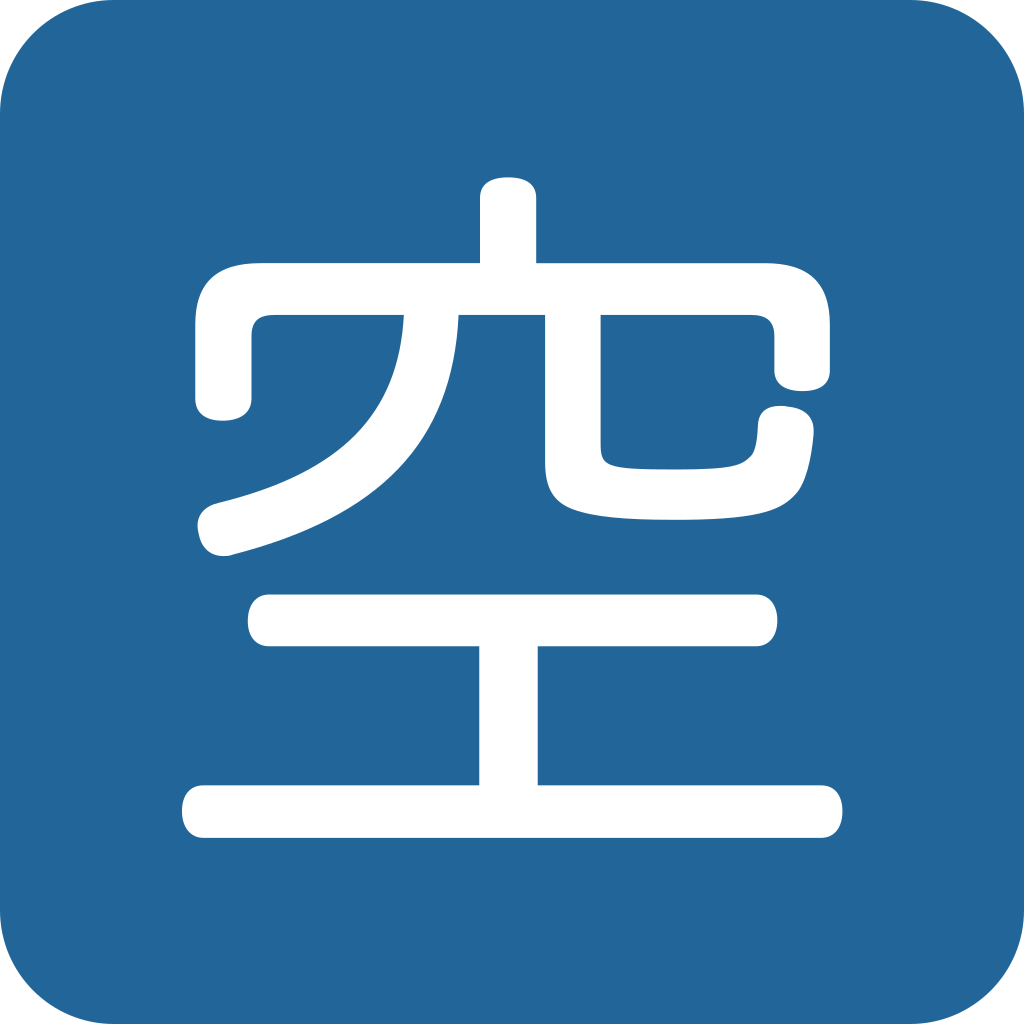

Meaning
🈳 is a Japanese symbol used to indicate vacancy or availability, commonly seen in signs for empty rooms or open spaces.
Common Uses
- Showing that a room or space is available.
- Indicating open slots or seats.
- Used in chat to express availability or openness.
- Appearing in digital interfaces mimicking Japanese signage.
- Representing vacancy in contexts involving Japan or Asian culture.
Examples
We have 🈳 rooms tonight.Meeting time: 3pm 🈳?Seats: 🈳 5
🛒Beyond the screen: Love emoji culture?
Technical Notes
Codepoint: U+1F233. Added around Unicode 6.0 (2010). Appearance may vary slightly across platforms but consistently shows a red square with white Japanese characters. Part of the enclosed ideographic supplement symbols. No skin tone modifiers.
FAQ
What does the 🈳 emoji mean?
A symbol indicating vacancy or availability, often from Japanese signage.
How is the 🈳 emoji used?
To show available rooms, open slots, or general availability in informal or UI contexts.
Does the meaning of the 🈳 emoji change by context?
Its core meaning stays consistent, but may represent availability in various specific settings like rooms, seats, or times.
Internal Links
- Previous emoji
- Next emoji
As an Amazon Associate, Emojiplot earns from qualifying purchases. Links are added when contextually helpful.